In recent years, consumers have become more mindful of the ingredients found in the foods and medications they consume. Whether you're reading a food label or examining the ingredients in a supplement or tablet, you may come across a term like lactose anhydrous. This ingredient is commonly used in pharmaceuticals and food products as both a functional excipient and a natural sweetener.
But what exactly is lactose anhydrous, and is it safe for everyone? While it offers many benefits in various applications, it may not be suitable for every individual—particularly those who are sensitive to lactose.
What is Lactose Anhydrous?
Definition and Production Method
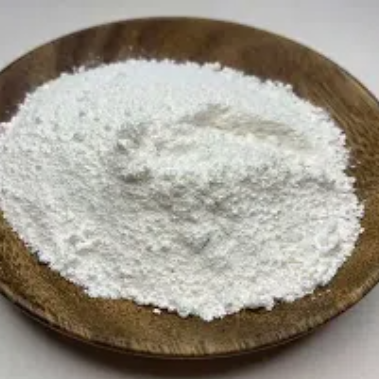
Lactose anhydrous is a refined form of milk sugar that has had all of its water content removed through a drying process. It is a white to off-white, odorless, and slightly sweet powder. As a type of lactose (a disaccharide made of glucose and galactose), it is derived from whey, a byproduct of cheese production.
The production process involves:
Extracting lactose from milk or whey.
Crystallizing and drying the lactose to remove moisture.
Further processing to create a highly stable, water-free version: lactose anhydrous.
This dehydrated version is favored for its long shelf life and stability, especially in environments where moisture could affect product integrity.
Difference from Lactose Monohydrate and Lactose Powder
Lactose comes in several forms, each with distinct physical and chemical properties:
Type | Water Content | Texture | Primary Use |
Lactose Monohydrate | ~5% | Crystalline | Used in tablets and capsules |
Lactose Powder | 2–5% | Fine, flowable | Found in baby formulas, instant mixes |
Lactose Anhydrous | <1% | Free-flowing powder | Pharmaceuticals, dry foods, supplements |
Lactose anhydrous differs mainly in its lack of water and superior compressibility, making it especially useful in the manufacture of tablets and capsules where moisture must be minimized.
Common Uses in Industries
Lactose anhydrous is a multifunctional ingredient valued for its stability, safety, and mild sweetness. It is widely used across a variety of industries, especially pharmaceuticals, food and beverage, and nutraceuticals, where it serves both functional and sensory purposes. Its role as a natural sweetener makes it especially appealing to manufacturers looking for clean-label, naturally derived ingredients.
Pharmaceuticals
In the pharmaceutical industry, lactose anhydrous is a key excipient used in the manufacture of tablets and capsules. Its primary functions include:
Filler (Diluent): Many medications contain active pharmaceutical ingredients (APIs) in very small quantities. Lactose anhydrous acts as a filler, increasing the volume of the tablet or capsule to a practical size for handling and consumption.
Binder: It helps the various components of a tablet adhere to one another, ensuring the finished product remains intact during packaging, shipping, and use.
Carrier for Active Ingredients: In dry powder formulations, it serves as an ideal carrier due to its excellent flowability and compatibility with a wide range of active compounds.
Its mild, naturally sweet taste enhances the palatability of chewable tablets, effervescent formulations, and orally dissolving tablets—especially beneficial in pediatric medicines and over-the-counter (OTC) supplements. Unlike artificial sweeteners that can have a chemical aftertaste, lactose anhydrous provides a gentle, pleasant flavor profile.
Food and Beverage Products
As a natural sweetener, lactose anhydrous contributes to flavor without overwhelming sweetness. It is commonly used in:
It provides mild sweetness and acts as a stabilizer and bulking agent. Because it is less sweet than sucrose (table sugar), it blends well with other ingredients without dominating the flavor profile. It also improves solubility and consistency in powdered beverage mixes.
Unlike synthetic or high-intensity sweeteners such as aspartame or sucralose, lactose anhydrous has no bitter or metallic aftertaste. This makes it ideal for health-conscious consumers and clean-label products where natural ingredients are preferred.
Nutraceuticals and Supplements
In the growing nutraceutical sector, lactose anhydrous is widely used in the formulation of:
Its excellent flow properties and high compressibility make it suitable for high-speed manufacturing processes, ensuring consistent tablet weight and quality. It helps maintain uniform distribution of active ingredients, which is critical for accurate dosing and product effectiveness.
Moreover, its status as a natural sweetener and familiar ingredient contributes to consumer trust in supplement products. It enhances the overall user experience by making tablets more pleasant to taste and easier to consume.
Other Uses
In some cases, lactose anhydrous is used in animal feed supplements and veterinary medications, offering the same benefits of stability and mild sweetness.
Safety Profile and Tolerability
Lactose anhydrous is widely regarded as a safe and well-tolerated ingredient in both food and pharmaceutical applications. Its long history of use and approval by major health authorities around the world is a strong indicator of its safety. As a natural sweetener, lactose anhydrous offers not only functionality but also a mild and pleasant flavor, making it ideal for products designed with both effectiveness and consumer experience in mind.
GRAS Status and Regulatory Approvals
In the United States, lactose anhydrous has been granted Generally Recognized as Safe (GRAS) status by the U.S. Food and Drug Administration (FDA). This designation means that qualified experts agree on the safety of lactose anhydrous for its intended uses in food products and pharmaceuticals. GRAS substances are considered safe based on scientific data and a history of common use in food.
Beyond the U.S., lactose anhydrous enjoys approval from several leading international regulatory agencies, including:
European Food Safety Authority (EFSA)
Health Canada
Japan’s Ministry of Health, Labour and Welfare
World Health Organization (WHO) and the Joint FAO/WHO Expert Committee on Food Additives (JECFA)
These endorsements further validate the ingredient’s safety and support its continued use across a broad range of consumer products. Its use spans everything from prescription medications and dietary supplements to food and beverage products marketed globally. The widespread and long-standing use of lactose anhydrous further underscores its reliable safety profile.
Lactose Intolerance Considerations
While lactose anhydrous is considered safe for the general population, certain individuals may need to exercise caution. People with lactose intolerance—a condition in which the body produces insufficient amounts of lactase, the enzyme responsible for breaking down lactose—may experience adverse digestive symptoms when consuming lactose-containing products.
Common symptoms include:
Bloating
Gas
Diarrhea
Abdominal discomfort
However, it is important to note that the amount of lactose anhydrous present in a single tablet or capsule is typically very small—usually less than 100 milligrams per dose. For most individuals with mild lactose intolerance, this amount is unlikely to trigger noticeable symptoms. In fact, many people with lactose sensitivity can still tolerate small amounts of lactose spread throughout the day.
Because lactose anhydrous is used in such tiny quantities, it remains a suitable choice even in many formulations that aim for low-lactose content. Nevertheless, for individuals with severe lactose intolerance, milk allergies, or galactosemia, lactose-containing products should be avoided altogether.
Potential Side Effects and Precautions
Who Should Avoid Lactose-Containing Products
While lactose anhydrous is generally safe, the following groups should be cautious:
Individuals with Severe Lactose Intolerance
Even small amounts of lactose may trigger symptoms in highly sensitive individuals.
People with Milk Allergy
Though rare, some individuals may have an allergy to milk proteins (not lactose itself). If lactose anhydrous is contaminated with trace milk proteins, it could cause an allergic reaction.
Patients with Galactosemia
A rare genetic disorder that makes it impossible to process galactose, one of the components of lactose.
If you're unsure whether you're affected, consult your doctor before taking supplements or medications containing lactose.
Role of Lactose-Free Alternatives
For those who need to avoid lactose, there are many lactose-free options available. In pharmaceuticals and food supplements, common excipient alternatives include:
Lactose Alternative | Properties |
Microcrystalline Cellulose | Inert, excellent compressibility |
Mannitol | Sweet, low glycemic index, non-laxative |
Sorbitol | Sweet, can cause gas in high amounts |
Dextrose | Mildly sweet, dissolves quickly |
Stevia or Erythritol | Natural sweeteners, calorie-free |
These alternatives provide manufacturers with flexible options to meet dietary restrictions and sensitivities without compromising product quality.
Conclusion
So, is lactose anhydrous safe? Yes—for the vast majority of people, it is a well-established, naturally derived ingredient used as both a functional excipient and a gentle natural sweetener in pharmaceuticals and food products. Backed by decades of use and global regulatory approvals, it plays a key role in enhancing product performance and palatability.
However, those with lactose intolerance, milk allergies, or galactosemia should exercise caution and consider lactose-free alternatives.
To learn more about lactose anhydrous and explore high-quality sourcing options, visit Zhuhai Huichun Trade Co., Ltd. As a trusted supplier of plant and animal extracts, food additives, and high monomers, they offer expert support and reliable products tailored to your formulation needs.


