Introduction
Sodium hyaluronate and hyaluronic acid are both widely used in skincare and medical treatments. Though they offer similar benefits, their molecular differences set them apart. Are they truly the same, or do these differences matter more than we think?
In this article, we will break down their similarities, differences, and benefits to help you decide how to incorporate them into your routine.
What is Hyaluronic Acid?
Definition and Chemical Structure
Hyaluronic acid (HA) is a naturally occurring substance in the human body. It can be found in high concentrations in the skin, joints, and eyes, where it performs vital roles in maintaining hydration, cushioning, and elasticity. Chemically, hyaluronic acid is a polysaccharide, composed of long chains of sugar molecules, that acts as a humectant by attracting and holding water molecules. It has the ability to retain up to 1,000 times its weight in water, making it highly effective at hydrating and plumping the skin.
Benefits and Applications
The primary benefit of hyaluronic acid lies in its exceptional hydration properties. It is used widely in both skincare and medical treatments to:
● Hydrate and plump the skin, giving it a youthful appearance.
● Support joint health, reducing friction and cushioning the joints.
● Promote wound healing by keeping tissues moist and aiding in cell regeneration.
In skincare, it is commonly found in moisturizers, serums, masks, and anti-aging products due to its ability to provide deep hydration.
What is Sodium Hyaluronate?
Definition and Chemical Structure
Sodium hyaluronate is the salt form of hyaluronic acid. It is created when sodium ions are added to hyaluronic acid, which causes it to form a smaller, more stable molecular structure. This modification makes sodium hyaluronate more soluble in water and allows it to penetrate deeper into the skin, providing long-lasting hydration. It is also more resistant to oxidation, which enhances its shelf life in cosmetic and medical formulations.
Benefits and Applications
Just like hyaluronic acid, sodium hyaluronate has exceptional moisture-binding properties, but with added benefits:
● Deep hydration, as it can penetrate the skin more effectively than hyaluronic acid.
● Long-lasting moisture retention, helping to improve skin elasticity and reduce the appearance of fine lines.
● Versatile usage, found in serums, moisturizers, eye creams, and even oral supplements.
Sodium hyaluronate is also used in medical applications, particularly in joint injections and ophthalmic surgeries, where it helps lubricate joints and protect eye tissues during procedures.
Key Differences Between Sodium Hyaluronate and Hyaluronic Acid
Molecular Size and Penetration
One of the key differences between sodium hyaluronate and hyaluronic acid lies in their molecular size. Hyaluronic acid, with its larger molecules, mainly works on the skin's surface. It provides immediate hydration and forms a protective barrier to prevent moisture loss. However, because of its size, it does not penetrate deeply into the skin. Sodium hyaluronate, the salt form of hyaluronic acid, has smaller molecules that allow it to pass through the skin's outer layers and reach deeper layers. This enhanced penetration results in more intensive, long-lasting hydration and contributes to improving skin elasticity over time. By delivering moisture where it is needed most, sodium hyaluronate helps to promote healthier, more resilient skin.
Stability and Solubility
Sodium hyaluronate is more stable than hyaluronic acid, particularly when exposed to varying pH levels or environmental conditions. Its increased solubility in water makes it easier to incorporate into a wide range of skincare formulations. This makes sodium hyaluronate a more versatile and reliable ingredient for formulators. On the other hand, hyaluronic acid can be more difficult to stabilize in products, especially those exposed to heat or varying pH levels. It requires careful handling and often additional stabilizing agents to prevent degradation. This difference in stability makes sodium hyaluronate the preferred choice for many skincare products, particularly those designed for long-lasting use.
Efficacy and Results
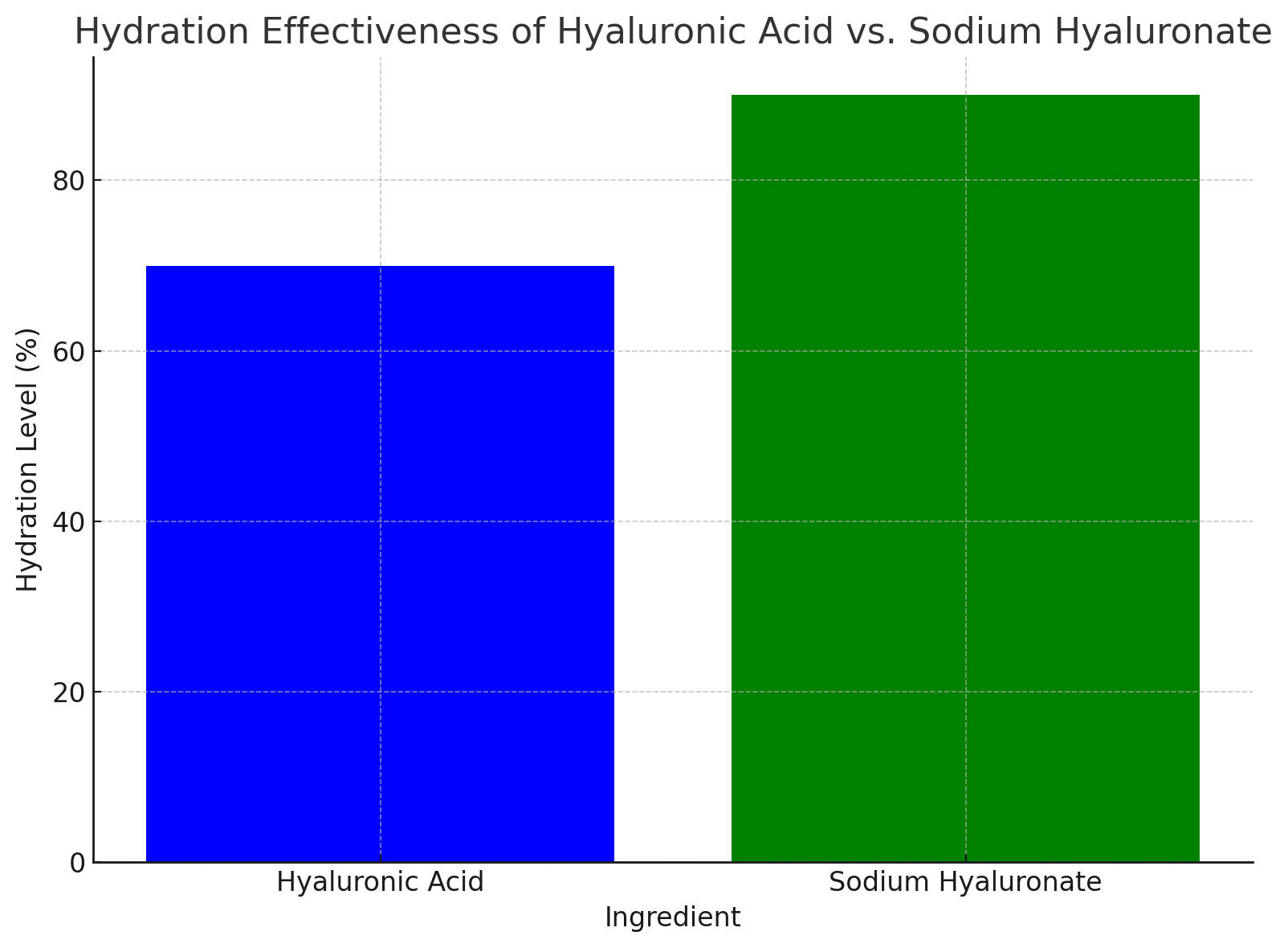
Both sodium hyaluronate and hyaluronic acid are highly effective in providing hydration, but their efficacy can vary depending on the intended purpose. Sodium hyaluronate, due to its smaller molecular size, is able to penetrate deeper into the skin, making it ideal for long-term hydration, anti-aging treatments, and improving skin elasticity. Its ability to hydrate the skin at deeper layers provides more noticeable and lasting results over time. Hyaluronic acid, while effective for surface hydration, tends to provide more temporary results. It works well to give the skin a plump, hydrated appearance, but the effects are often short-lived. For those seeking sustained skin health and deeper moisturization, sodium hyaluronate is the better option.
Property | Sodium Hyaluronate | Hyaluronic Acid |
Molecular Size | Smaller, penetrates deeper into skin | Larger, works mainly on surface |
Penetration | Deeper hydration, long-lasting | Surface-level hydration |
Solubility | Highly soluble in water | Less soluble, requires pH adjustments |
Stability | More stable across pH levels | Can degrade at low pH or high temperature |
Common Use | Deep hydration, anti-aging | Surface hydration, plumping effect |
Applications of Sodium Hyaluronate and Hyaluronic Acid
Skincare Products
Both sodium hyaluronate and hyaluronic acid are frequently used in skincare products, but sodium hyaluronate tends to be the preferred choice due to its superior ability to penetrate the skin and provide longer-lasting hydration. Hyaluronic acid, however, is still commonly used for surface hydration and in products that aim for instant plumping effects.
These ingredients are often found in:
● Anti-aging products – Both help reduce the appearance of fine lines and wrinkles.
● Moisturizers and serums – For deep hydration and skin rejuvenation.
● Eye creams and masks – To hydrate delicate skin areas and reduce puffiness.
Medical and Health Applications
While both sodium hyaluronate and hyaluronic acid have medical uses, sodium hyaluronate is particularly favored in joint therapies and ophthalmic procedures. It is injected into the joints to relieve pain and inflammation in conditions like osteoarthritis. Sodium hyaluronate is also used in eye surgeries to reduce friction and protect the eye tissues. Hyaluronic acid is more commonly used in skin tissue repair and as a filler in cosmetic procedures.
Ingredient | Penetration Depth | Effect on Skin |
Sodium Hyaluronate | Deep into skin layers | Long-term hydration, improves elasticity |
Hyaluronic Acid | Surface hydration | Instant plumping effect |
Sodium Hyaluronate vs. Hyaluronic Acid in Skincare
Hydration and Moisture Retention
Both sodium hyaluronate and hyaluronic acid are excellent moisturizers, but sodium hyaluronate stands out for its deeper skin penetration. Its smaller molecular size allows it to reach deeper layers of the skin, providing sustained hydration that lasts longer than hyaluronic acid. This deep moisture retention helps to improve the skin’s texture, making it feel softer and more supple over time. By maintaining hydration at deeper levels, sodium hyaluronate also enhances skin elasticity, making it a great choice for anyone looking to improve skin health in the long run.
Reducing Fine Lines and Wrinkles
Both ingredients are known for their ability to reduce fine lines and wrinkles by delivering moisture that plumps the skin. However, sodium hyaluronate’s ability to hydrate deeper layers of the skin results in more noticeable and longer-lasting anti-aging effects. By penetrating beneath the surface, it not only hydrates the skin but also improves its overall structure, helping to smooth out wrinkles and boost skin firmness. Hyaluronic acid works more superficially, providing immediate plumping, but sodium hyaluronate offers deeper, more lasting hydration and more profound anti-aging benefits over time.
Skin Sensitivity and Suitability
Sodium hyaluronate is particularly well-suited for all skin types, including sensitive and acne-prone skin. Its lightweight, non-greasy texture makes it ideal for people who need a product that won’t clog pores or irritate the skin. Its ability to provide deep hydration without causing irritation makes it a preferred option for those with conditions like rosacea or eczema. While hyaluronic acid is also suitable for sensitive skin, it may not offer the same depth of hydration, which can be crucial for individuals with very dry or compromised skin. Sodium hyaluronate’s gentle nature ensures it provides effective moisture without causing harm or discomfort.
Skin Type | Recommended Ingredient | Reason |
Dry Skin | Hyaluronic Acid or Sodium Hyaluronate | Instant hydration, long-term moisture retention |
Aging Skin | Sodium Hyaluronate | Deep hydration, anti-aging effects |
Sensitive Skin | Sodium Hyaluronate | Gentle, non-irritating |
Which Should You Choose? Sodium Hyaluronate or Hyaluronic Acid?
For Surface Hydration
Hyaluronic acid is perfect for those who need quick, surface-level hydration. Due to its larger molecular size, it primarily works on the skin's outer layers, creating a moisture barrier that locks in hydration. It is ideal for products like moisturizers, face masks, and serums that aim to provide instant relief for dry or dehydrated skin. This makes it a great option for a plumping effect that smooths the skin’s surface, temporarily reducing fine lines and giving it a youthful glow.
For Deep Hydration and Anti-aging
For deeper, long-lasting hydration, sodium hyaluronate is the superior choice. Thanks to its smaller molecular size, it can penetrate deeper into the skin’s layers, providing intense moisture from within. This helps not only to hydrate but also to improve skin texture and elasticity over time. Sodium hyaluronate is especially beneficial for addressing the signs of aging, as it can enhance skin firmness and smooth out fine lines and wrinkles with consistent use. If you’re looking for a product that delivers both instant and sustained benefits, sodium hyaluronate is the key to a more youthful and revitalized appearance.
Conclusion
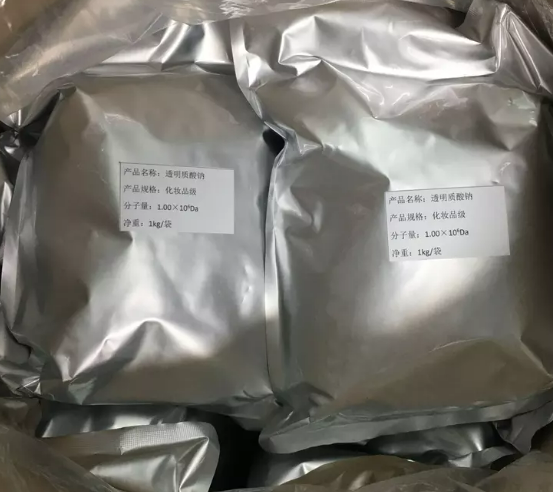
Sodium hyaluronate and hyaluronic acid are closely related but offer distinct benefits. Hyaluronic acid hydrates the skin’s surface, while sodium hyaluronate provides deeper, long-lasting hydration. Depending on your skincare needs, you can use them separately or together for optimal results. Products containing both ingredients, like those from Zhuhai Huichun Trade Co., Ltd., can enhance your skincare routine, offering both immediate and lasting moisture.
FAQ
Q: What is the difference between sodium hyaluronate and hyaluronic acid?
A: Sodium hyaluronate is the salt form of hyaluronic acid. Its smaller molecular size allows it to penetrate deeper into the skin, providing long-lasting hydration, while hyaluronic acid primarily hydrates the skin's surface.
Q: Can sodium hyaluronate be used in skincare products?
A: Yes, sodium hyaluronate is commonly used in skincare products due to its deep hydration properties. It helps improve skin elasticity and provides long-lasting moisture, making it ideal for anti-aging and moisturizing formulations.
Q: Is sodium hyaluronate suitable for sensitive skin?
A: Yes, sodium hyaluronate is gentle and non-irritating, making it suitable for all skin types, including sensitive and acne-prone skin. It offers hydration without clogging pores or causing irritation.
Q: How does sodium hyaluronate improve skin texture?
A: Sodium hyaluronate penetrates the deeper layers of the skin, delivering moisture that improves skin elasticity and texture over time. It also helps plump the skin, reducing the appearance of fine lines and wrinkles.
Q: Should I use sodium hyaluronate or hyaluronic acid in my skincare routine?
A: It depends on your needs. Hyaluronic acid works well for immediate surface hydration, while sodium hyaluronate provides deeper, long-term hydration and is better for anti-aging benefits. You can use both for comprehensive skincare results.


