Introduction
Sodium Hyaluronate is a versatile compound widely used in both the medical and cosmetic industries. Known for its powerful hydrating properties, this ingredient has become a go-to solution for skin rejuvenation and joint therapy. But what exactly is Sodium Hyaluronate, and why has it garnered such attention in the skincare and medical sectors?
In this article, we’ll explore what Sodium Hyaluronate is, how it works, its uses, and why it's a top choice in modern skincare. From improving skin hydration to treating osteoarthritis, this ingredient serves a variety of purposes, making it essential in both medical treatments and everyday beauty routines.
What is Sodium Hyaluronate?
Definition and Chemical Structure
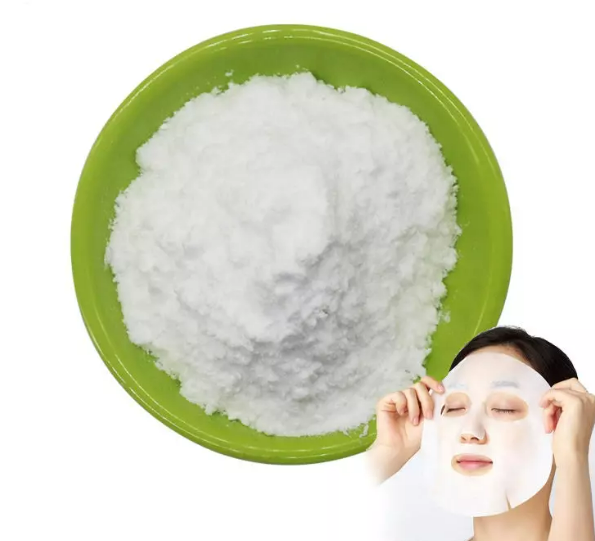
Sodium Hyaluronate is the sodium salt form of hyaluronic acid (HA), a naturally occurring substance in the body. It is primarily found in connective tissues like skin, joints, and cartilage. The primary function of Sodium Hyaluronate is to retain moisture and provide lubrication, which is essential for healthy skin and joint function.
Molecularly, Sodium Hyaluronate is a glycosaminoglycan, meaning it consists of long chains of sugars that form a gel-like structure. Due to its smaller molecular size compared to hyaluronic acid, Sodium Hyaluronate has superior skin penetration, allowing it to hydrate deeper into the skin layers and provide more effective moisture retention.
Natural Occurrence and Production
In the body, Sodium Hyaluronate is naturally present in connective tissues, the skin, and synovial fluid within joints. It helps maintain tissue hydration, elasticity, and lubrication. As we age, the body’s natural production of hyaluronic acid and its sodium salt form decreases, leading to dryness, wrinkles, and joint discomfort.
Sodium Hyaluronate can be synthetically produced through bacterial fermentation or extracted from animal tissues, such as rooster combs. The synthetic production allows for a more consistent and purified form used in various medical and cosmetic applications.
Sodium Hyaluronate in the Medical Field
Joint Therapy (Osteoarthritis Treatment)
One of the most common medical applications of Sodium Hyaluronate is in the treatment of osteoarthritis. It is used in viscosupplement injections to restore synovial fluid, which lubricates joints and helps reduce friction. By improving the viscosity of joint fluid, Sodium Hyaluronate can relieve pain, improve joint mobility, and support overall joint health.
Patients with knee osteoarthritis, for example, may receive multiple injections over several weeks to ease pain and enhance movement.
Ophthalmic Uses
Sodium Hyaluronate is also widely used in ophthalmic applications. During cataract surgeries and other eye procedures, it is injected to maintain the shape of the eye, protect delicate tissues, and ensure smooth tissue manipulation. It also helps to keep the eye moist, reducing the risk of dryness and irritation post-surgery.
Additionally, it is a common ingredient in artificial tear drops for those suffering from dry eyes. It helps to retain moisture and provides long-lasting relief.
Wound Healing and Tissue Regeneration
In addition to joint and eye treatments, Sodium Hyaluronate plays a significant role in wound healing. Its moisture-retaining properties help promote tissue regeneration, accelerate healing, and reduce scarring. It is commonly used in burn treatments, cuts, and post-surgical recovery.
By hydrating the affected area and creating a favorable environment for tissue repair, Sodium Hyaluronate enhances the body’s natural healing process.
Medical Use | Description |
Osteoarthritis Treatment | Used in viscosupplement injections to improve joint lubrication and mobility. |
Ophthalmic Uses | Helps maintain eye moisture during surgeries and in eye drop treatments. |
Wound Healing | Promotes tissue regeneration and accelerates healing in cuts, burns, and post-surgery. |
Sodium Hyaluronate in Cosmetics
Hydration and Moisture Retention
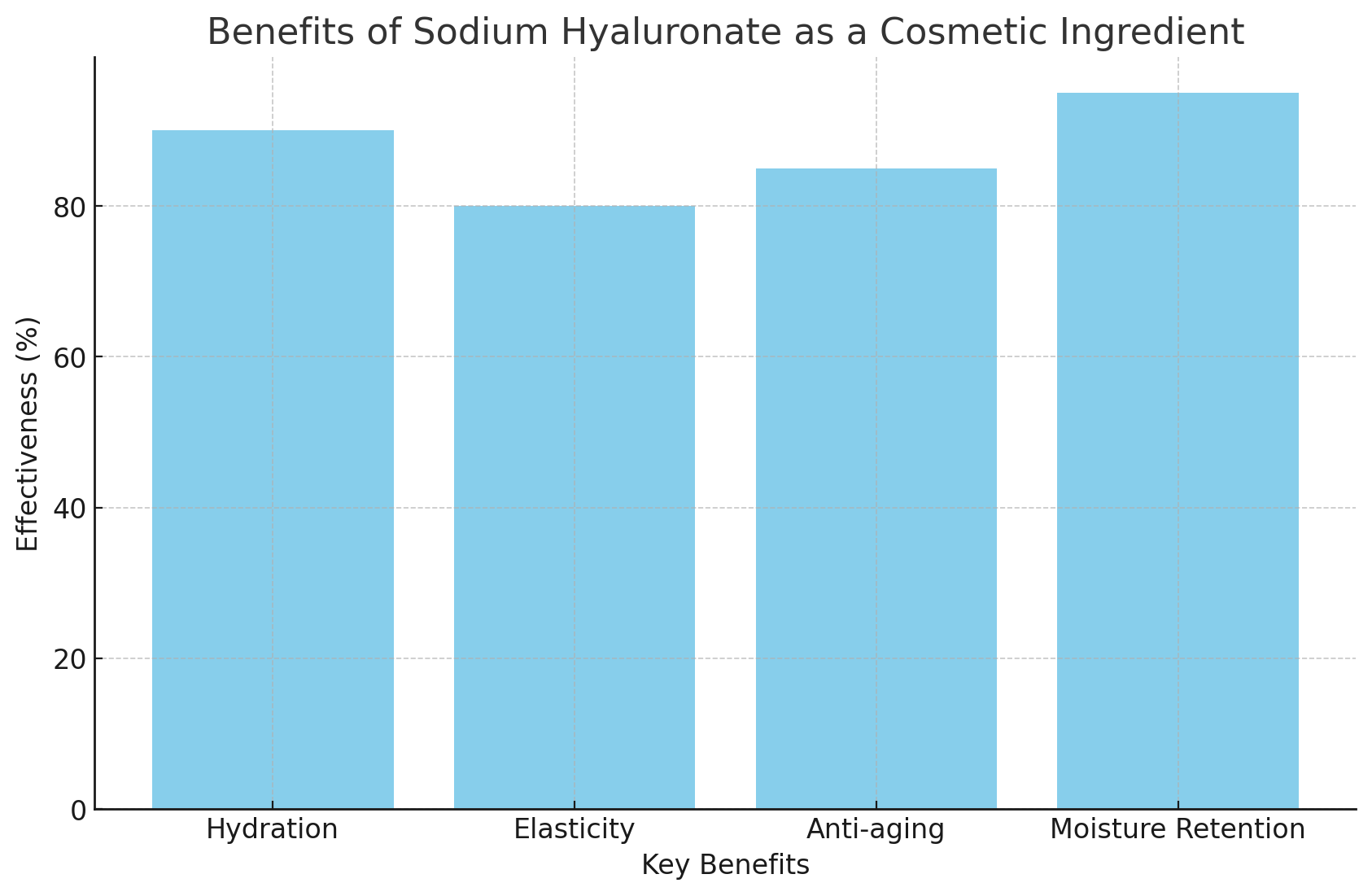
One of the main reasons Sodium Hyaluronate is used in skincare products is its ability to deeply hydrate and lock in moisture. It can bind to water molecules, drawing them into the skin and preventing moisture loss. As a humectant, it attracts water from the air, leaving the skin feeling plump and hydrated.
Sodium Hyaluronate is commonly found in moisturizers, serums, and face masks designed to target dry or dehydrated skin. It is especially beneficial for aging skin, where moisture retention becomes more challenging.
Reducing Fine Lines and Wrinkles
In addition to its hydrating properties, Sodium Hyaluronate also helps to reduce the appearance of fine lines and wrinkles. By plumping the skin and providing structure, it fills in areas where the skin may have lost volume, smoothing out the surface and giving it a more youthful look.
Regular use of products containing Sodium Hyaluronate can help improve skin elasticity and firmness, making it an excellent ingredient for anti-aging treatments.
Benefits for Sensitive Skin
Sodium Hyaluronate is gentle on the skin, making it suitable for all skin types, including sensitive and acne-prone skin. Unlike other ingredients that can clog pores or irritate the skin, Sodium Hyaluronate is non-comedogenic, meaning it won’t cause breakouts.
Its soothing nature makes it an ideal ingredient in products designed for individuals with conditions like rosacea or eczema. It hydrates without causing irritation or inflammation.
Sodium Hyaluronate vs. Hyaluronic Acid
Molecular Differences
The main difference between Sodium Hyaluronate and Hyaluronic Acid lies in their molecular size. Sodium Hyaluronate has a smaller molecular weight, which allows it to penetrate deeper into the skin layers, providing more effective hydration at a cellular level. Hyaluronic Acid, on the other hand, has a larger molecular size and remains primarily on the skin’s surface, providing immediate hydration but less long-lasting effects.
While both offer similar benefits, Sodium Hyaluronate is more bioavailable, meaning the skin absorbs it more readily, making it a preferred ingredient in many skincare products.
Similarities in Functionality
Despite their differences in molecular structure, both Sodium Hyaluronate and Hyaluronic Acid function similarly in skincare. They both provide hydration, improve skin elasticity, and help reduce the appearance of fine lines and wrinkles. Many skincare products contain both ingredients to offer the maximum benefits, ensuring both deep and surface-level hydration.
Feature | Sodium Hyaluronate | Hyaluronic Acid |
Molecular Size | Smaller, penetrates deeper into the skin | Larger, primarily hydrates the surface |
Absorption | More easily absorbed | Absorbs less effectively |
Hydration | Provides deeper hydration | Hydrates primarily the skin’s surface |
Usage in Skincare | Effective in moisturizers, serums, anti-aging | Used in similar products but less deep hydration |
Use in Medical Treatments | Used in injections, joint health, eye surgeries | Mainly used in skin treatments |
Benefits and Applications in Skincare
Improved Skin Texture and Appearance
Sodium Hyaluronate is renowned for its ability to improve skin texture by deeply hydrating the skin. As it replenishes moisture, it makes the skin feel smoother and softer, effectively reducing the appearance of dry patches and rough spots. By attracting moisture to the skin’s surface, it helps restore balance, making the skin appear healthier and more radiant.
Long-lasting Hydration
One of the standout features of Sodium Hyaluronate is its ability to provide long-lasting hydration. This humectant draws moisture from both the environment and the deeper layers of the skin, ensuring the skin stays hydrated throughout the day. Even in dry or harsh environments, Sodium Hyaluronate locks in moisture, keeping the skin plump and well-moisturized for an extended period, reducing the appearance of dehydration.
Anti-inflammatory Properties
Sodium Hyaluronate also has notable anti-inflammatory properties, making it particularly beneficial for those with sensitive or irritated skin. It helps to calm inflammation, reducing redness and soothing discomfort. For individuals dealing with conditions such as acne or rosacea, Sodium Hyaluronate can play a crucial role in reducing inflammation, helping the skin recover and maintain a more even tone. It’s gentle enough to be used on sensitive skin without causing irritation, which makes it a popular choice in many skincare products.
Benefit | Description |
Hydration | Draws moisture into the skin, keeping it plump and hydrated. |
Improved Skin Texture | Smooths the skin, reducing rough patches and dry areas. |
Anti-aging | Reduces the appearance of fine lines and wrinkles by promoting skin elasticity. |
Suitable for Sensitive Skin | Gentle, non-comedogenic, and ideal for sensitive or acne-prone skin. |
Long-lasting Effects | Provides sustained hydration throughout the day, especially in dry conditions. |
How to Use Sodium Hyaluronate in Your Routine
Application Techniques for Maximum Effectiveness
To maximize the effects of Sodium Hyaluronate, it should be applied to damp skin after cleansing. This allows it to attract moisture from both the environment and the deeper layers of the skin. Follow up with a moisturizer to lock in the hydration and create a protective barrier.
Combining with Other Ingredients
Sodium Hyaluronate works well with a variety of other skincare ingredients. It pairs particularly well with Vitamin C, peptides, and ceramides, which help to boost hydration and improve skin elasticity. Avoid combining it with strong exfoliants or acid-based products, as they may irritate sensitive skin.
Potential Side Effects and Precautions
Possible Side Effects
Sodium Hyaluronate is generally considered safe for most skin types. However, individuals with extremely sensitive skin may experience mild irritation or redness. Always conduct a patch test before using any new product containing Sodium Hyaluronate.
Safety and Contraindications
There are no significant contraindications for using Sodium Hyaluronate in skincare. However, individuals with allergies to hyaluronic acid should avoid using products containing Sodium Hyaluronate. If you are pregnant or breastfeeding, consult your healthcare provider before using any products with Sodium Hyaluronate.
Conclusion
Sodium Hyaluronate is a powerful and versatile ingredient that plays a vital role in both medical and cosmetic applications. Whether used for joint health, eye surgery, or skincare, it provides unmatched hydration, improves elasticity, and promotes healing. Its ability to penetrate the skin more effectively than Hyaluronic Acid makes it an ideal choice for skin rejuvenation and moisture retention.
If you’re looking for a skincare solution that offers lasting hydration and helps combat the signs of aging, consider adding Sodium Hyaluronate-based products to your routine. Whether in moisturizers, serums, or anti-aging treatments, this ingredient can help restore your skin’s natural beauty and vitality. Products from Zhuhai Huichun Trade Co., Ltd. offer excellent options for achieving these results, with a focus on quality and effectiveness.
FAQ
Q: What is Sodium Hyaluronate?
A: Sodium Hyaluronate is the sodium salt form of Hyaluronic Acid, a powerful humectant used for hydration in skincare and medical treatments. It helps maintain moisture, improves skin elasticity, and aids in joint health.
Q: How does Sodium Hyaluronate benefit the skin?
A: Sodium Hyaluronate attracts and retains moisture, making the skin plump, hydrated, and youthful. It reduces fine lines, improves elasticity, and provides long-lasting hydration.
Q: Can Sodium Hyaluronate be used for all skin types?
A: Yes, Sodium Hyaluronate is suitable for all skin types, including sensitive and acne-prone skin. It’s gentle and non-comedogenic, making it an excellent addition to skincare routines.
Q: How is Sodium Hyaluronate used in cosmetics?
A: Sodium Hyaluronate is commonly used in moisturizers, serums, and anti-aging products to hydrate and rejuvenate the skin, helping to reduce wrinkles and improve texture.
Q: What is the difference between Sodium Hyaluronate and Hyaluronic Acid?
A: The main difference is that Sodium Hyaluronate has a smaller molecular size, allowing it to penetrate deeper into the skin, providing more effective hydration compared to Hyaluronic Acid.
Q: Are there any side effects of using Sodium Hyaluronate?
A: Sodium Hyaluronate is generally safe, but those with sensitive skin should do a patch test before use. Rarely, irritation may occur, especially in very dry conditions.
Q: How can I incorporate Sodium Hyaluronate into my skincare routine?
A: Apply Sodium Hyaluronate-based products after cleansing and before thicker moisturizers. It helps lock in moisture and enhances the benefits of other skincare ingredients like Vitamin C.


