Lactose powder, a naturally occurring carbohydrate found in milk, is gaining increased attention not just as a milk sugar but as a natural sweetener and functional additive in a wide range of industries. While it's commonly associated with dairy products, its applications extend far beyond milk-based foods. From improving the taste and texture of baked goods to serving as a vital component in pharmaceutical formulations, lactose powder offers versatility, stability, and a clean label profile. As consumers shift towards more natural, recognizable ingredients, lactose powder stands out due to its origin, safety, and multi-functional benefits.
What is Lactose Powder?
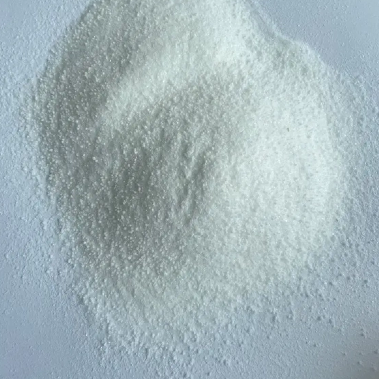
Lactose powder is a purified form of lactose, derived from milk during the whey processing phase. The lactose is crystallized, dried, and then finely milled into a powder. It typically appears as a white, odorless powder with a slightly sweet taste, making it ideal as a natural sweetener.
Production Process
Whey Separation: Lactose is extracted from whey, a by-product of cheese production.
Crystallization: The whey is concentrated and cooled to promote lactose crystallization.
Drying: The crystallized lactose is separated and dried to remove any moisture.
Milling: The dried crystals are milled into a fine, uniform powder suitable for industrial use.
Nutritional Composition
Lactose powder contains:
It has a glycemic index similar to glucose but provides a slower release of energy.
As a dairy-derived sugar, it also acts as a natural sweetener with a sweetness level about 20–40% that of sucrose. This subtle sweetness makes it suitable for applications where a mild, pleasant flavor is desired without overpowering other ingredients.
Applications in the Food Industry
Lactose powder plays a vital role in the food industry thanks to its multifunctionality and compatibility with a wide range of ingredients. Its value extends well beyond its mildly sweet taste, making it a favorite among food manufacturers who aim to create products with appealing taste, color, and texture. As a natural sweetener, lactose powder contributes to the formulation of food products in ways that synthetic sweeteners or artificial additives often cannot.
Flavor Enhancer in Baked Goods and Confections
In the bakery and confectionery sectors, lactose powder is prized for its ability to subtly enhance flavor without overpowering the overall taste profile. It is frequently used in the preparation of cookies, cakes, muffins, pastries, and candies.
Its natural sweetness—about 20–40% as sweet as sucrose—makes it ideal for adding a delicate, creamy sweetness.
Unlike high-intensity sweeteners, lactose powder does not leave an aftertaste, allowing the true flavors of chocolate, nuts, dairy, and fruits to shine.
In confections like caramels and milk toffees, lactose powder aids in flavor rounding, helping different taste elements blend smoothly.
It also reduces the perception of sourness in products containing acidic fruits or fermented dairy, contributing to a more balanced flavor profile.
As a natural sweetener, it is especially appealing for clean-label food products that emphasize transparency and simplicity in their ingredients.
Browning Agent in Dairy-Based Beverages and Baked Foods
Lactose powder contributes to the Maillard reaction, a crucial browning process that occurs during baking or cooking when amino acids and reducing sugars interact under heat.
In baked goods such as bread, croissants, and biscuits, this reaction helps develop a visually attractive golden-brown crust while also producing the rich, toasted flavors that consumers love.
The same browning reaction enhances flavor complexity in dairy-based desserts like custards, flans, and baked yogurts.
In dairy-based beverages—including chocolate milk, ready-to-drink coffees, and flavored yogurts—lactose powder not only improves mouthfeel but also helps create a mild caramelized flavor during thermal processing.
These thermal properties make lactose powder especially beneficial in applications where flavor and appearance are both critical to consumer satisfaction.
Other Common Food Uses
Beyond baking and dairy beverages, lactose powder serves various functional purposes across other food categories:
Processed Meats: In sausages, deli meats, and meatloaf, lactose powder is used as a filler and moisture-retaining agent. It improves texture by binding water and fat, ensuring the final product is juicy and cohesive.
Infant Formula: As a natural sweetener and carbohydrate source, lactose powder closely mimics the sugar content of human breast milk. It supports energy metabolism and promotes the growth of beneficial gut bacteria in infants.
Instant Soups and Sauces: In powdered soup bases, gravies, and seasoning blends, lactose powder enhances solubility and mouthfeel, improving the final texture and richness of the reconstituted product.
It also plays a minor role in cereal coatings, energy bars, and breakfast mixes where a balanced sweetness and fine powder consistency are required.
Role in Pharmaceuticals and Nutraceuticals
Lactose powder is a staple in pharmaceutical and nutraceutical formulations due to its safety, stability, and easy compressibility.
Filler in Tablets and Capsules
As a filler (or diluent), lactose powder is used to add bulk to tablets or capsules where the active ingredient is present in very small quantities.
It ensures uniform distribution of the active ingredient and helps in consistent dosing.
Carrier for Flavors and Active Ingredients
Lactose powder acts as a carrier agent for powdered flavors, vitamins, and minerals.
Its chemical inertness makes it suitable for formulations where the active ingredients must remain stable over time.
In nutraceutical products like multivitamins, herbal supplements, and probiotic capsules, lactose powder offers excellent flow properties and compressibility, enabling efficient, large-scale manufacturing.
Compatibility with Other Sweeteners
As consumer demand for low-sugar and sugar-free products continues to grow, food manufacturers are increasingly turning to multi-sweetener strategies to maintain taste and texture while reducing caloric content. Lactose powder, though mild in sweetness, plays a pivotal role in these formulations. When paired with high-intensity sweeteners, it not only improves taste but also contributes to the overall functionality and texture of the final product. Its versatility as a natural sweetener and bulking agent makes it highly valuable in health-conscious and clean-label applications.
Blending with Stevia or Stevioside for Sugar Reduction
Stevia and stevioside are popular plant-derived, high-intensity sweeteners with virtually no calories. However, they often come with sensory challenges, particularly a lingering bitterness or metallic aftertaste that can be off-putting to consumers. This is where lactose powder proves extremely beneficial.
Bulking and Texture Improvement: Since stevia is used in minute amounts, it contributes little to the texture or volume of a product. Lactose powder acts as a bulking agent, providing body and uniformity to the blend.
Flavor Masking and Smoothing: The mild, creamy flavor of lactose powder helps neutralize the bitter aftertaste often associated with stevia. This creates a more rounded, natural sweetness that closely mimics the profile of traditional sugar.
Natural Sweetener Synergy: Combining lactose powder with stevia allows manufacturers to promote products with “natural sweetener” claims, enhancing consumer trust and product appeal in the health food sector.
This combination is particularly effective in beverages, yogurt, protein bars, and reduced-calorie desserts, where mouthfeel and flavor balance are crucial.
Lactose as a Bulking Agent in Low-Calorie Products
High-intensity artificial sweeteners like sucralose, aspartame, and acesulfame potassium are widely used in diet beverages, sugar-free candies, and weight management products. These sweeteners are potent—often hundreds of times sweeter than sucrose—and thus used in extremely small quantities. However, their concentrated nature means they lack the bulk necessary to give structure and consistency to food products.
Functional Bulk: Lactose powder fills the volume gap left by these sweeteners, allowing for proper product formation and packaging. This is especially critical in powdered drink mixes, sugar-free baking mixes, and tablets.
Enhanced Stability: Lactose powder helps stabilize the physical form of products during storage and distribution, minimizing caking or clumping.
Improved Mouthfeel: As a natural sweetener, lactose also contributes to the mouthfeel and overall palatability of the finished product. It smooths out rough flavor notes and provides a soft, creamy finish that synthetic bulking agents may lack.
Moreover, lactose powder dissolves easily in water, making it ideal for instant and ready-to-mix products aimed at calorie-conscious consumers.
A Natural Sweetener for Clean-Label Products
Today’s shoppers are scrutinizing ingredient labels more closely than ever. Clean-label products that use natural sweeteners and recognizable ingredients are gaining popularity across all market segments—from functional foods and beverages to dietary supplements and children’s snacks.
Lactose powder supports this trend by offering:
A dairy-derived, non-synthetic origin.
Multi-functional benefits including sweetness, bulk, and flavor enhancement.
Compatibility with both natural and artificial sweeteners for diverse formulation needs.
Its ability to pair seamlessly with sweeteners like stevia and sucralose makes it ideal for formulating better-for-you products that do not compromise on taste or texture.
Conclusion
Lactose powder is a highly versatile and naturally derived ingredient widely used across the food, pharmaceutical, and nutraceutical industries. Beyond being a gentle natural sweetener, it plays essential functional roles—improving texture, flavor, appearance, and product stability. From enhancing baked goods and dairy beverages to serving as a reliable filler in pharmaceuticals and supplements, lactose powder ensures consistent quality and efficacy.
Its excellent compatibility with other sweeteners like stevia expands its use in low-sugar and sugar-free formulations, meeting growing consumer demand for healthier options. Backed by global regulatory approvals and a proven safety record, lactose powder remains a trusted choice for manufacturers worldwide.
For businesses seeking premium lactose powder and expert support, Zhuhai Huichun Trade Co., Ltd. offers top-quality ingredients tailored to diverse production needs. To learn more about their products and services, visit their website at www.hcfoodadditives.com. Connecting with them can help you source the right natural sweetener to enhance your formulations and meet market demands.


